
Need A New Flavor In Your Microphone Arsenal? Try A Ribbon
Posted by Jim Pavett on 4th Jun 2026
For years I did not understand why anyone would use a ribbon microphone. Old. Dated. Fragile. Why would you reach for one when you have a great condenser in the locker?
Then I had a perspective shift. And the ribbon microphone became the holy grail for certain applications.
I have not looked back since.
Why Ribbons Sound Different
The answer is in the physics. Ribbon microphones have a naturally reduced sensitivity in the higher frequencies compared to condenser and dynamic microphones. That reduced high frequency transient response is not a flaw — it is the entire point.
When a source has too much high frequency energy — when the transients are aggressive, harsh, or fatiguing — a ribbon microphone solves that problem at the source instead of at the EQ. You are not cutting harshness after the fact. You are capturing a more musical representation of the instrument from the moment the sound hits the capsule.
Where Ribbons Excel
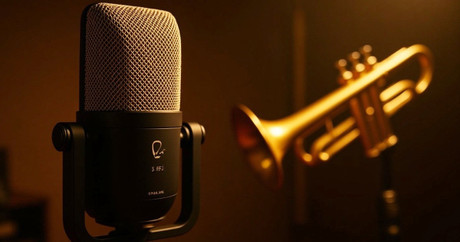
Brass — this is the application that converted me. Trumpets in particular can be brutal through a condenser. The transient response of a condenser captures every edge, every crack, every bit of aggression in the bell of the horn. Run that same trumpet through a ribbon and you will finally hear the instrument the way it actually sounds in the room — powerful, full, musical. Not like it is clawing your face off.
Distorted guitar amps — ribbons handle the complex harmonic content of an overdriven amp with a smoothness that condensers and dynamics cannot match. The natural high frequency rolloff tames the harsh upper harmonics while preserving the body and midrange character of the amp.
Acoustic guitar — ribbons add warmth and body to acoustic guitar that makes it sit naturally in a mix without heavy EQ. The transient response captures the pick attack without exaggerating it.
Ambient drums and room mics — ribbons in the room give you a wide, natural, figure-8 room sound that adds depth and dimension to a drum recording. The figure-8 polar pattern captures the room evenly from front and back — a characteristic unique to ribbon design.
The Brands I Carry
Pure Wave Audio carries three of the most respected ribbon microphone brands in the industry.
Coles Coles ribbons are British-made, handbuilt, and used on more classic recordings than most engineers realize. The BBC developed the original Coles designs for broadcast use — which tells you everything about their reliability and sonic character. I have individual video reviews of every current Coles model:
SE Electronics SE Electronics makes some of the most versatile ribbon microphones available at any price point. The RNR1 — designed in collaboration with Rupert Neve — is one of the finest ribbon microphones ever built.
- SE Electronics VR1 — French Horn and Trumpet
- SE Electronics VR2
- SE Electronics RNR1
- SE Electronics X1R
Cloud Microphones Cloud makes American-built ribbon microphones that combine classic ribbon character with modern construction and durability. I have video reviews of both current Cloud models:
Watch — Ribbon Microphones Explained
If you want a deeper dive into ribbon microphone theory, application, and technique before making a purchase decision:
The Bottom Line
If your recordings have sources that feel harsh, aggressive, or fatiguing — brass, guitar amps, cymbals, room ambience — a ribbon microphone may be the single fastest solution in your arsenal. Not a plugin. Not an EQ curve. A microphone that captures those sources the way your ears actually hear them in the room.
Hit reply if you want a recommendation for your specific application. The right ribbon depends on what you are recording and how you are using it.